
Journal · · 5 min read
Static image ads vs video for small apparel brands on Meta
Run both, but start with strong static images and add short vertical video once you know which idea is working. Statics are faster to make, easier to test and show the product clearly in feed. Video earns its place in Reels and Stories, where Meta's own guidance is built around full-screen 9:16 video with sound.
Why not just pick the one that performs better?
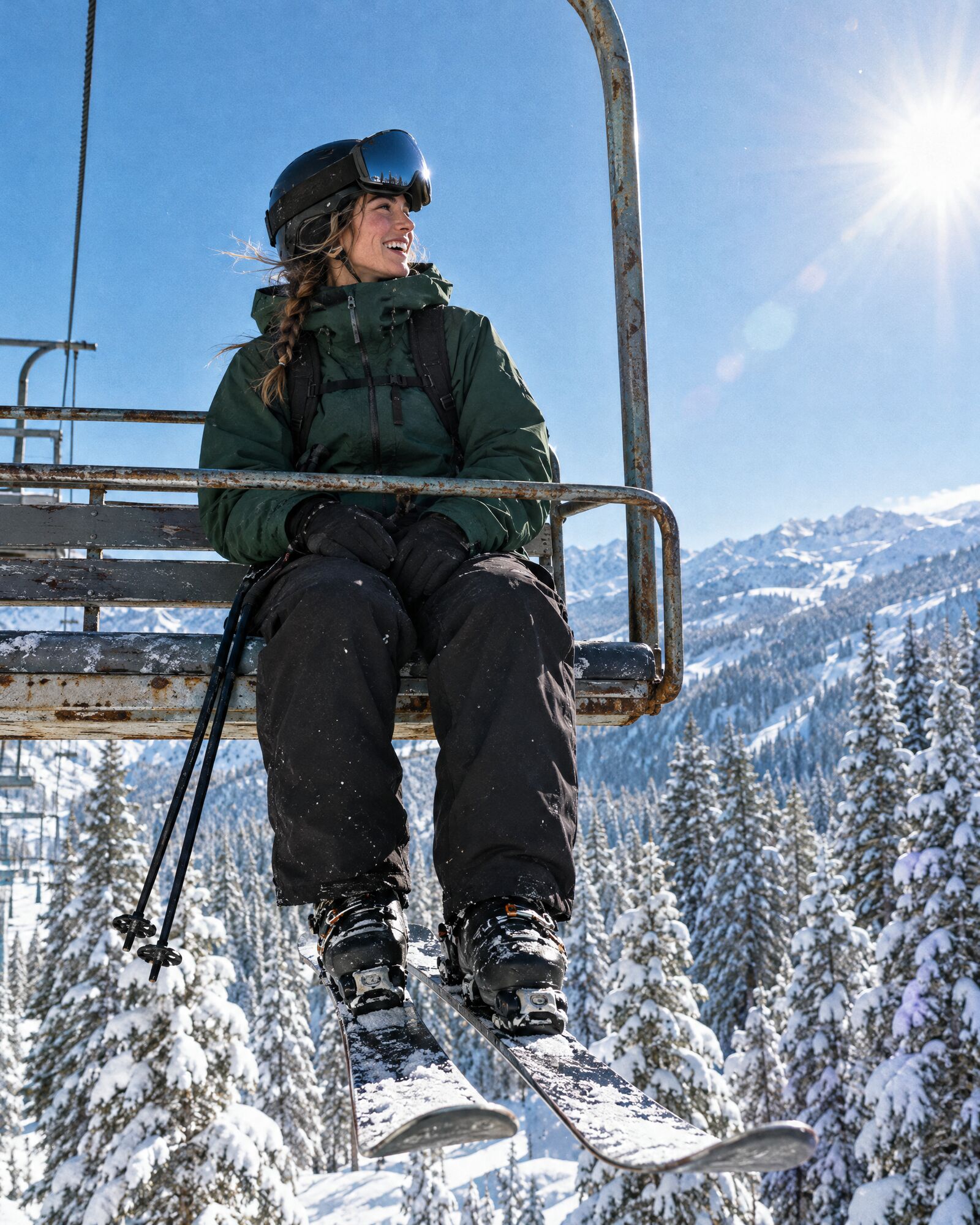
Because there is no single winner, and anyone who tells you otherwise is usually selling one of the two. Static and video do different jobs in different places. A feed is a place people scroll past quickly, and a clean, well-lit image of a jacket on a real mountain can stop them in a fraction of a second. Reels is a full-screen, sound-on place where a still image feels out of step with everything around it.
So the useful question for a small brand is not which format is better. It is which format fits the placement, the idea and the budget you have this month.
Where do static image ads win?
In my experience running creative for an outdoor apparel brand, statics win on four things.
- Speed. You can make a full set of images for one concept in days, not weeks. That matters when you are still working out who your buyer is.
- Testing. Five images of five different ideas tell you more than one polished video of a single idea. Statics let you test the idea itself before you spend on motion.
- Product clarity. Apparel buyers want to see the colour, the fit and the details. A still frame holds the logo, the zip and the print steady long enough to read.
- Cost per idea. On a modest budget, more ideas for the same spend usually beats fewer, more expensive ones.
This is why I still think a small brand's monthly plan should be built around concepts and frames first. I covered how many to make in how many ad images a small apparel brand needs a month.
Where does video win?
Mainly in Reels and Stories. Meta's own advice for Reels ads is consistent. Its developer blog on Reels ads lists vertical 9:16 video with audio, inside the safe zone, as the creative essentials, and says over 75% of Reels views on Instagram are sound on. Its Reels ads documentation repeats the 9:16 advice and asks advertisers to keep the bottom 35% of a 9:16 frame clear of text, logos and other key elements.
Read that as a description of the space, not a law. Reels is built for motion and sound. If you want to show up well there, a short vertical film will look like it belongs. A static image squeezed into that frame often won't.
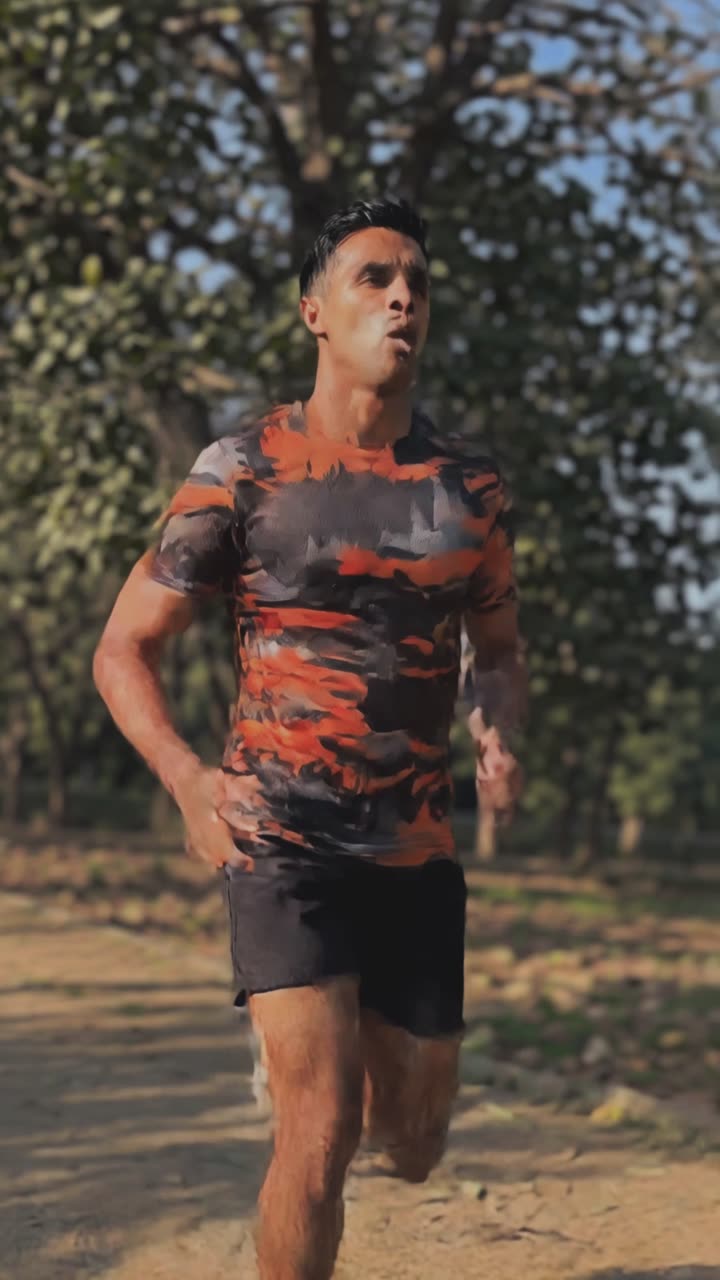
Video also shows things a still can't: how a shell moves in wind, how a running tee sits on a body mid stride, the moment someone zips up at a trailhead. For apparel, movement is a large part of how fit and fabric come across.
Isn't video too expensive for a small brand?
A full video shoot can be. A short video built from a campaign you already have is a different thing. If you have a concept that works as images, the world is already decided: the light, the palette, the person, the place. A 10 to 15 second film can extend that same idea into motion without starting again.
That is the order I recommend. Prove the idea with statics, then make video of the winner. Making video first means paying for motion before you know the idea is worth it. I made the same case for photoshoots in testing ad audiences with AI images before a shoot.
How should a small brand split it?
Here is a simple way I would plan a month. These are my own planning rules, not a Meta recommendation.
| Stage | Static images | Video |
|---|---|---|
| Still finding the buyer | Most of the work: several very different concepts | None yet, or one short test |
| One concept clearly working | New frames in the same world to keep feed ads fresh | One or two short vertical films of that concept for Reels and Stories |
| A few proven concepts | Monthly refresh of each | Video for each proven concept, cut to 9:16 and a square or 4:5 version for feed |
Two things make this work. The video has to look like the same campaign as the images, or you lose the recognition you built. And the first second of the video has to carry the idea on its own, because many people will see only that.
What about AI video?
It has become good enough to be useful for short product films, and it is where taste matters even more than with images. Motion adds more places for things to drift: a face that changes between shots, a logo that warps as the fabric moves, a body that moves in a way no runner would. The fixes are the same as for stills, just harder. Keep the character and the product consistent, and check every frame. I wrote about the still version of this in keeping the same athlete in every frame and keeping logos, zips and prints right.
How I approach it
I spent more than ten years creative-directing an outdoor apparel brand, designing the clothing and shooting campaigns in the mountains, including as the photographer on a 2018 Everest expedition. You can read more about my background here. My studio starts with the campaign images, because that is where the idea gets decided. When a concept is working, the product videos add-on turns that month's campaign into two short story films, vertical and square, so the motion matches the stills. You can see how the pilot set, monthly creative and video add-on fit together.
If you want to find the idea worth putting into motion, start with a $200 pilot set: 6 images, one concept, within 3 days.
Quick answers
Are static image ads or video better for small apparel brands on Meta?
Neither wins everywhere. Statics are faster and cheaper per idea and work well in feed. Video fits Reels and Stories, where Meta recommends 9:16 vertical video with sound. Most small brands should start with statics and add video for proven concepts.
What aspect ratio should Meta Reels ads use?
Meta recommends full-screen 9:16 vertical video for Reels and asks advertisers to keep the bottom 35% of the frame clear of text, logos and other key elements.
Should I make video before I know which ad idea works?
Usually not. Test several ideas as static images first, then make short video of the concept that is working so the motion extends a proven campaign.