
Journal · · 5 min read
Use AI images to find your audience before a photoshoot
A product like a quick dry tee can be sold to gym people, runners, tennis players, weekend hikers or someone who just wants a light shirt for a hot day. You can't afford a real shoot for every one of those worlds, so use AI images to put the same product in each scene, run them as ads, and let the clicks tell you which audience cares. Then book the real shoot, with real people, for the scene that won.
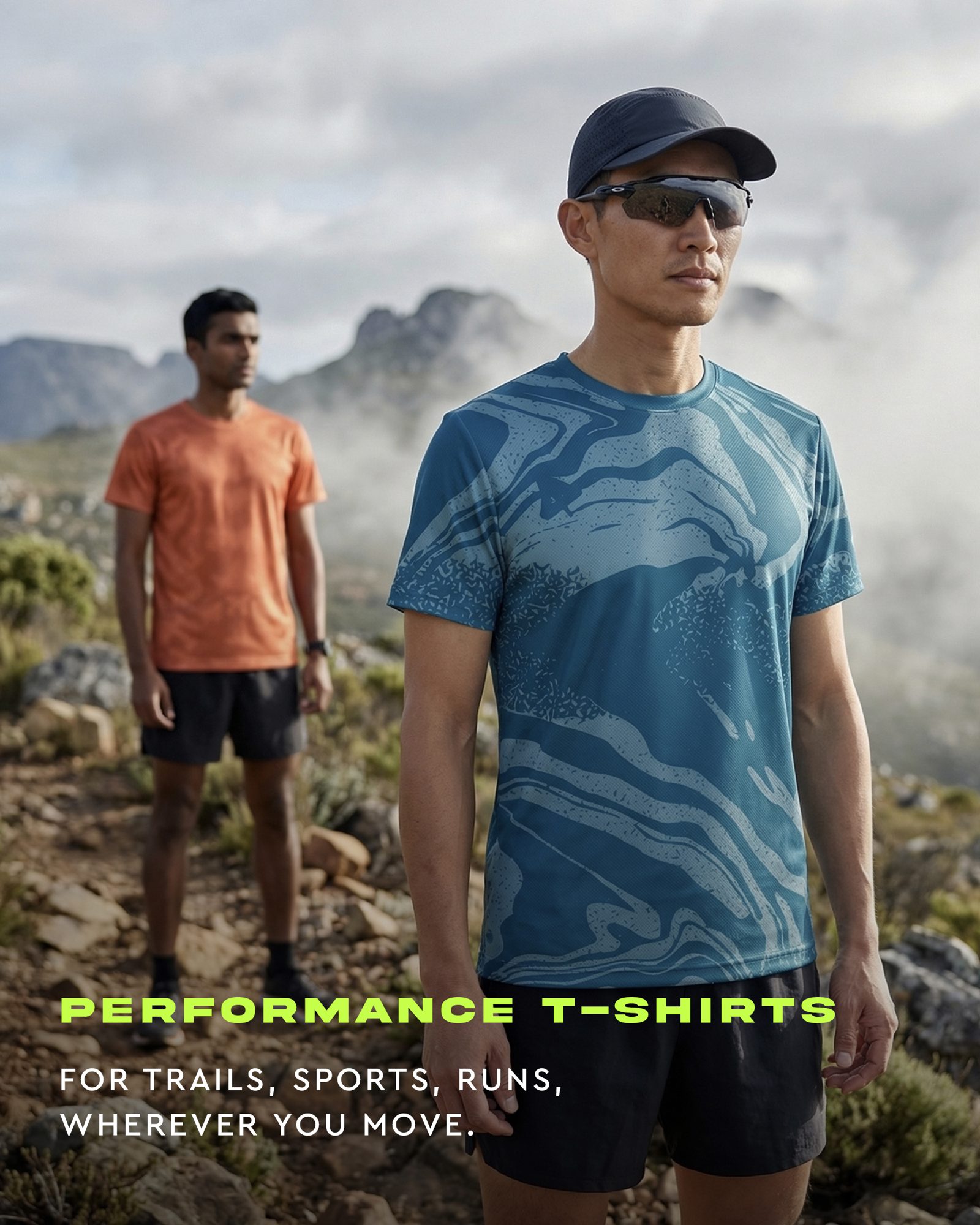
Why does one product need more than one scene?
Most apparel isn't made for one person. A quick dry tee works in the gym, on a court, on a trail and on a hot afternoon in the city. Each of those buyers sees a different shirt. The runner wants to know it won't cling at mile five. The tennis player cares how it moves on a serve. The hiker wants it to dry on the way down.
When I ran ads for our own brand, the hard part was never making one good image. It was guessing which of those people to show first. Every guess cost a shoot: models, a location, a photographer, a day of travel. Guess wrong and you have a beautiful set of photos aimed at the wrong buyer.
Meta has also changed how ads find people. Jon Loomer, who writes about Meta ads full time, puts it simply: creative diversification now does much of the work that audience targeting used to do. Show a runner and the system looks for runners. Show a tennis court and it looks for people who play. So the scene in your image is now part of your targeting.
How do I test scenes before paying for a shoot?
This is the process I used on our own brand, and the one I set up for brands now.
- Start from one honest product photo. A clean, well lit shot of the real garment, front and back if you have them. Everything else is built from this, so the colour and print have to be right here.
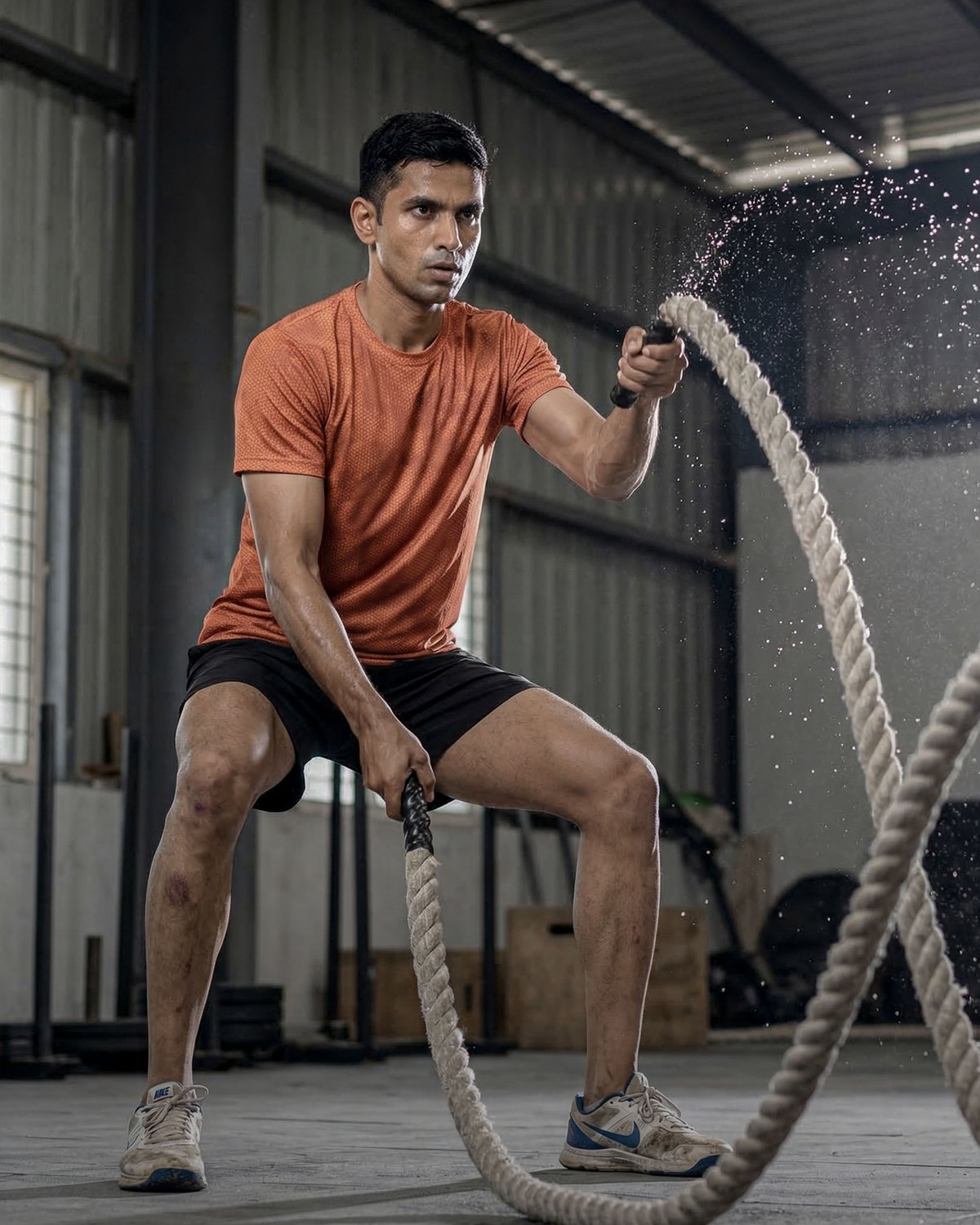
- Pick four or five worlds your buyer might live in. For a tee: gym training, trail running, a tennis or pickleball court, a weekend hike, and an everyday street look.
- Make two or three images per world. Same product, different people and places that each of those buyers would recognise as their own.
- Check every frame against the real garment. Logo, print, seams, colour and fit. If the shirt in the ad isn't the shirt they receive, the test is worthless and so is the trust.
- Run them as separate ads with the same copy and budget. Change only the scene, so the scene is what you are measuring.
- Read the results after a week. Look at click-through rate, cost per click and, if you have enough sales, cost per purchase. Also check who clicked: age, placement, and whether the comments sound like your buyer.
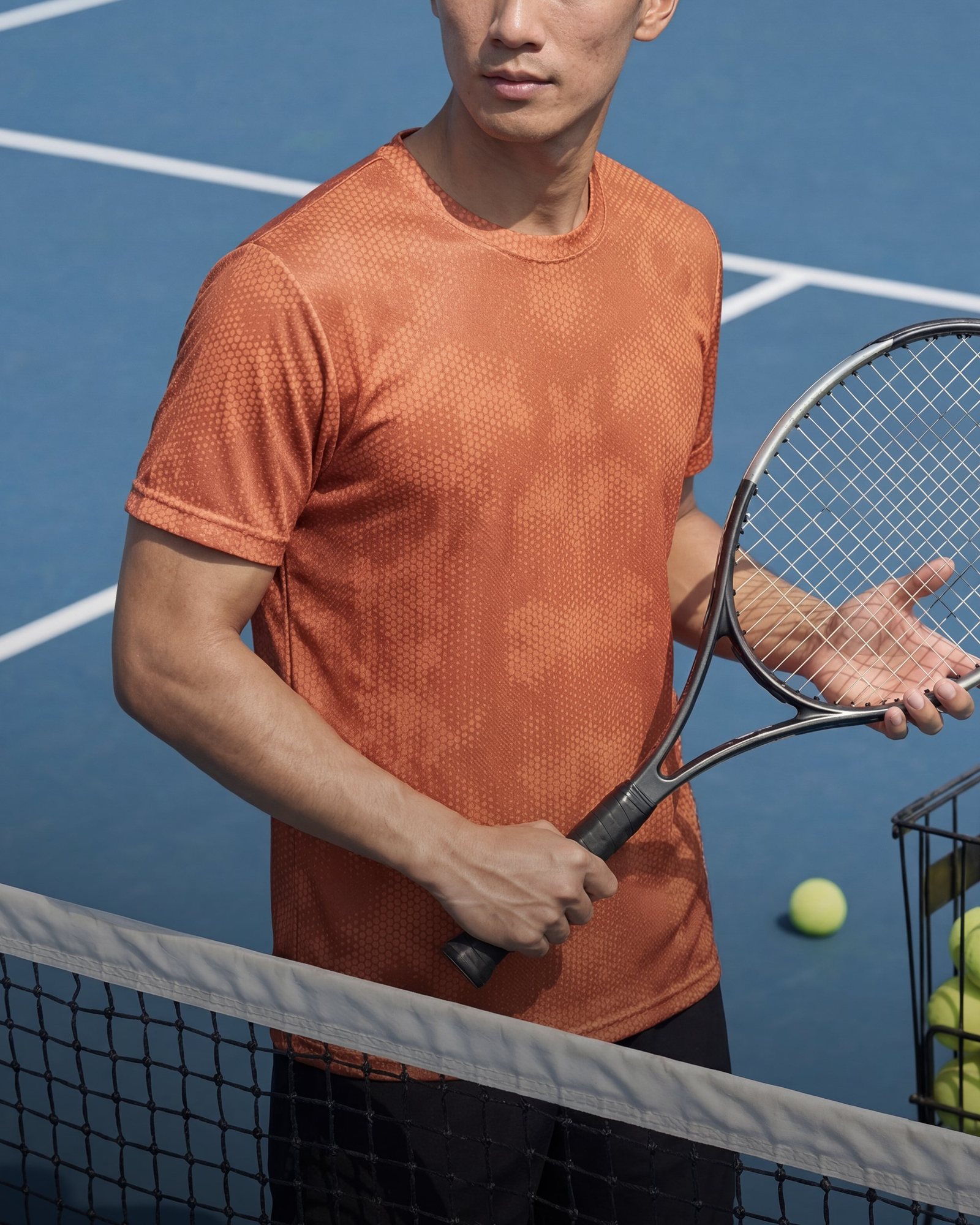
The frame above puts a performance tee on a court. In a real test you would make the gym, trail and street versions of that same shirt, so the product stays fixed and only the world around it changes.
What makes a scene test fair?
A test only tells you something if the options are really different. A Meta spokesperson told Marketing Brew in September 2026 that diversifying creative is a longstanding best practice, and Loomer's advice is that variations need to be noticeably different, or they won't change anything. Three gym photos with slightly different lighting are one idea, not three.
So keep these fixed: the product, the headline, the offer, the crop and the budget. Let these change: the place, the activity, the people and the time of day. If you change the copy and the scene at once, you won't know which one did the work.
Give each world enough budget to be seen. A scene that got a few hundred impressions hasn't lost, it just hasn't been tested yet.
What do I do with the scene that wins?
This is the part people skip. AI images are how I find the angle. They are not always how I scale it.
Once a world clearly wins, that is where the real money goes. Book the shoot in that setting, cast people who look like the buyers who clicked, and shoot it properly: stills for the website and hero ads, and video with real creators for Reels and Stories. Now the expensive day is aimed at an audience you have already seen respond, instead of one you hoped would.
Keep the AI scenes running too. They are cheap to refresh, so they work well for keeping the ad account stocked with new variations while the hero campaign carries the brand.
When is AI the wrong tool for this?
Be honest about the limits. If your buyer needs to trust how a garment feels on skin, or how it fits close up, a real person on camera will usually do that job better. Talking-head AI video is the clearest example: people notice a fake face quickly, and trust goes with it.
AI scenes also can't fix a weak product photo. If the original image has the wrong colour or a blurry print, every ad you build from it carries that mistake. And none of this replaces taste. The tool can put a shirt on a mountain. Deciding which mountain, which person and which moment says something about your brand is still a human call. I wrote more about that in why AI ad tools have no taste, and about keeping a whole set consistent in how to keep AI ads on brand.
How I can help
I ran an outdoor apparel brand for more than ten years and spent a lot of that time on shoots and ad accounts. There is more about my background here. Now I make these test sets for other brands: one product, several worlds, every logo, print and seam checked by hand against the real garment.
If you want to find out which of your buyers responds before you book a shoot, start with a $200 pilot set: 6 images, one concept, within 3 days. You can see what the pilot set and monthly creative include on the homepage.
Quick answers
Can I use AI images to test Meta ad audiences?
Yes. Put the same product in several different scenes, such as gym, trail and court, run each as its own ad with the same copy and budget, and compare click-through rate and cost per result. The scene that wins tells you which buyer to aim the real shoot at.
How different should my test images be?
Clearly different. Change the place, activity and people, not just the light or the angle. Near-identical images teach you almost nothing, because the system treats them as the same idea.
Should I still do a real photoshoot?
Yes, once you know which audience responds. Use AI scenes to find the angle cheaply, then spend the shoot budget on real people and real locations for the winning scene, especially for video and close-up fit.